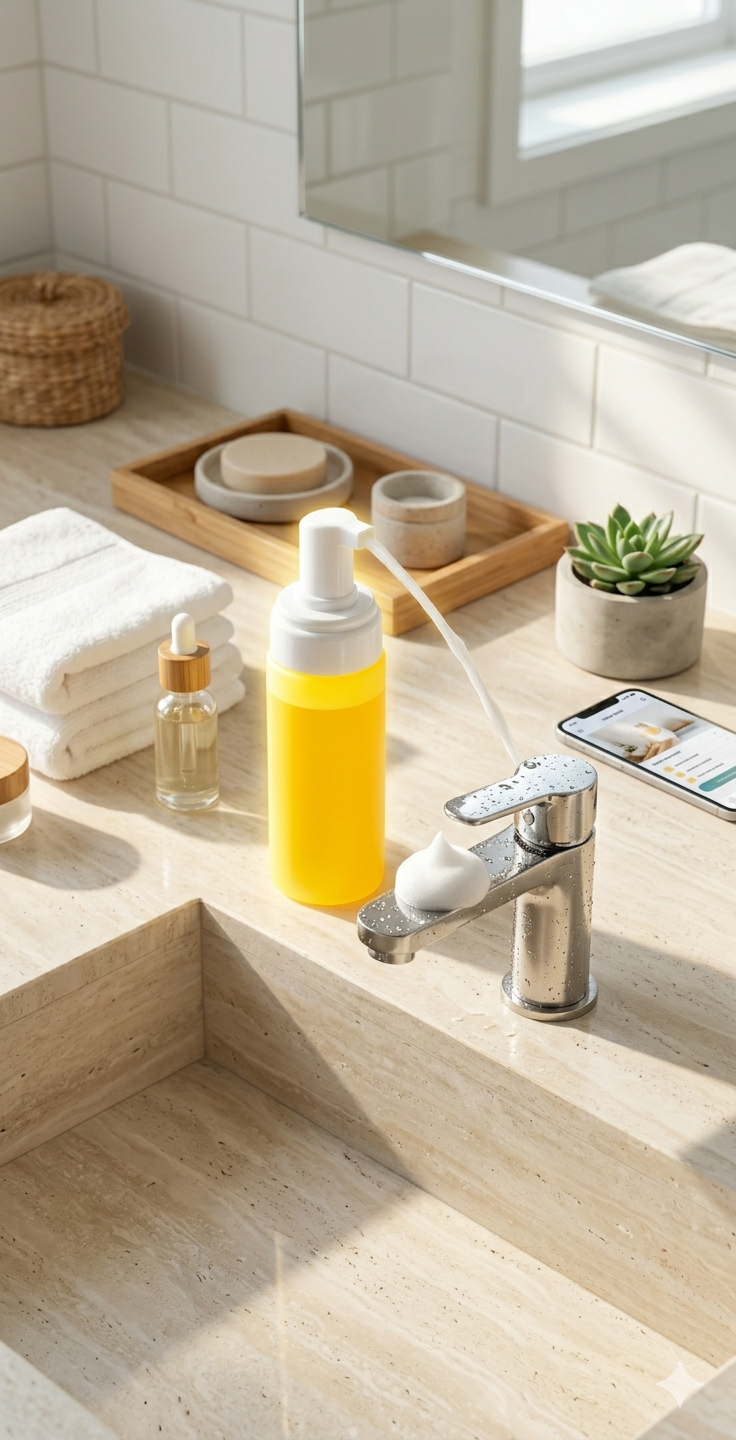
It is not common for a foot cleanser to become part of conversations about bathroom cleaning, shoe washing, and stain care. On The Body “Baleul Ssitja” Cotton Foot Shampoo is officially a foot-washing cosmetic, but its spray foam format and cleansing feel have made it a popular household item. The key is to separate its intended use from the extra cleaning tips people share online.
Why Korea’s “Baleul Ssitja” Foot Shampoo Went Viral Again: Uses, Limits, and Safety Notes
After Kim Shin-young’s home routine on “I Live Alone” drew renewed attention to bathroom cleaning and foot care, this foot shampoo returned to the spotlight. Here is a practical look at what the product is, why it is popular, where people commonly use it, and where it should not be used.
In a recent MBC variety-show segment, Kim Shin-young’s after-work routine and bathroom-cleaning habits became a talking point. Alongside that interest, Korean online communities again started discussing foot-care products, bathroom-cleaning items, and easy ways to manage sweat-related stains.
LG H&H On The Body Cotton Foot “Baleul Ssitja” Foot Shampoo originally helped popularize the spray-type foot shampoo category. It is designed to spray fine foam directly onto the feet, then rinse after rubbing or massaging. Updated versions have emphasized richer foam, more accurate spraying, and better odor-care performance.
Basic product information
- It is a spray-type foot shampoo made for washing feet.
- The foam format makes it easy to use before or after a shower.
- Its formula targets sweat, sebum, and odor-related foot grime.
- Online users also mention bathroom stains, slippers, shoes, and collar stains, but those are secondary user tips rather than the manufacturer’s main use.
- Do not use it on dishes, pans, cutting boards, or food-contact surfaces.

Why it became popular
1. Easy spray-and-rinse format
With soap or body wash, you usually need to bend down or create foam by hand. This product sprays foam directly onto the feet, so the routine feels simpler. For best results, still rub between the toes and rinse well.
2. Formula focused on foot odor
Feet collect sweat, sebum, dead skin, moisture from socks, and odor from shoes. The product uses cleansing ingredients and sodium bicarbonate to help manage oily grime and acidic odor-related substances.
3. Rich foam and stronger deodorizing claims
Newer versions have highlighted more abundant foam, improved spray accuracy, and better odor-care performance. These points explain why people also try it on sweat- and sebum-related household stains.

Five popular extra uses people mention
Faucets and bathroom sinks
People often spray the foam on light bathroom grime, scrub gently with a sponge, and rinse well. Test coated metal surfaces first.
Bathroom slippers and sandals
It is frequently used on washable slippers, Crocs-style shoes, and bathroom sandals. Colored or coated materials need a patch test.
Sneaker spot cleaning
Some people use it on soles or small dirty areas. Avoid suede, leather, wool, silk, and delicate coated fabrics.
Collars and hat liners
Because sweat and sebum cause these stains, some users apply a small amount before laundering. Always test for color bleeding.
Use kitchen areas only with caution
Some users mention sink surrounds, stovetop exteriors, or range-hood outer surfaces. However, do not use a foot cleanser on plates, pans, pot interiors, cutting boards, air-fryer baskets, or anything that touches food.
This product is a foot-cleansing cosmetic. Household cleaning tips come from user experience, not from a dish-soap or stain-remover claim. Avoid all mouth-contact or food-contact uses.

Use-by-area guide
| Area | Suitability | Tip | Caution |
|---|---|---|---|
| Feet | Intended use | Spray, rub, and rinse thoroughly | The floor may become slippery |
| Bathroom sink / faucet | Common user tip | Scrub gently and rinse quickly | Patch-test coated surfaces |
| Bathroom slippers | Useful if washable | Brush and rinse well | Watch for color transfer |
| Collars / hat liners | Possible pre-wash use | Apply lightly before washing | Test fabric first |
| Food-contact items | Not recommended | Use dish soap instead | Avoid residue ingestion |

Buying checklist
Prices vary by scent, bottle size, refill bundle, and delivery option. Compare the unit price per 100 ml, whether refills are included, and whether you want to start with a smaller size before buying multiple bottles.
Check the current Rocket-delivery bundle here: 2-bottle Rocket option. If you want to try one first, compare the 1-bottle Rocket option.
For current prices, bundle options, delivery, and stock, check the linked product page before purchasing.
FAQ
Q. Is it a household cleaner?
A. No. It is a cosmetic cleanser for the feet. Extra household uses should be treated as cautious user tips.
Q. Can it be used on bathroom grime?
A. Many users mention sinks, faucets, and washable slippers, but rinse well and test delicate materials first.
Q. Can I use it on dishes or pans?
A. No. Use proper dish soap for food-contact items.
Q. Does it make the floor slippery?
A. Foam can make the bathroom floor slippery, so use support or sit down if needed.
Final thoughts
“Baleul Ssitja” is popular because it makes foot washing quick and convenient while also giving a satisfying foam-cleaning feel. It can be helpful for feet and, with caution, some washable bathroom or fabric surfaces. Still, it is not an all-purpose cleaner. Use it for feet first, and keep any extra uses limited to non-food-contact surfaces that can be rinsed thoroughly.