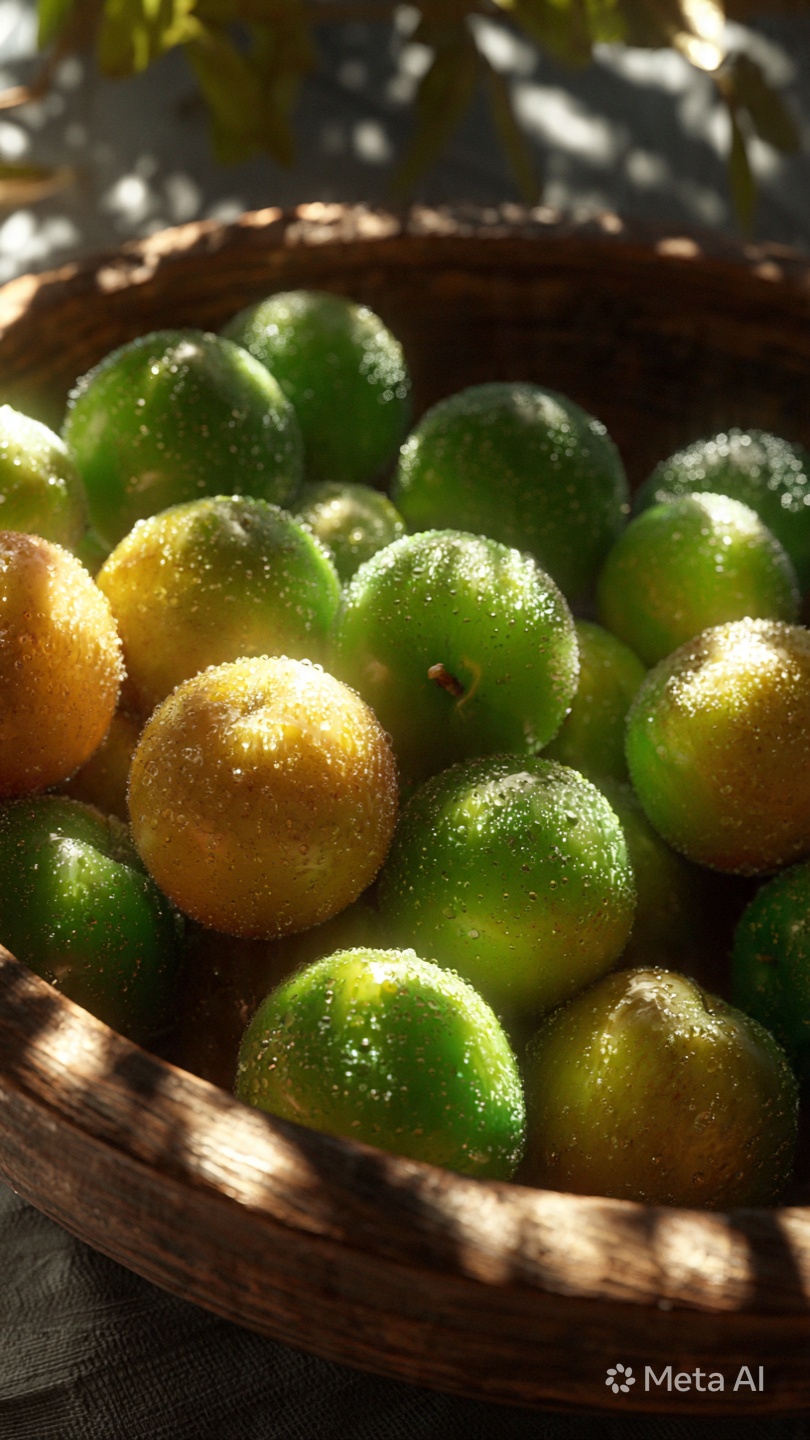
Maesil has a short season, so missing the right timing can make it harder to use the fruit the way you planned. Green maesil is often chosen for pickles and maesil-cheong, while yellow maesil is preferred when fragrance matters more. That is why June timing is the key point.
2026 Maesil Harvest Season Guide
Green Maesil vs Yellow Maesil, When to Buy
Maesil, often called Korean green plum, usually ripens between June and early July. Depending on how ripe it is, the fruit is commonly described as green maesil or yellow maesil, and each type has a different texture, aroma, and best use.

Basic Information
Green Maesil vs Yellow Maesil
Green maesil
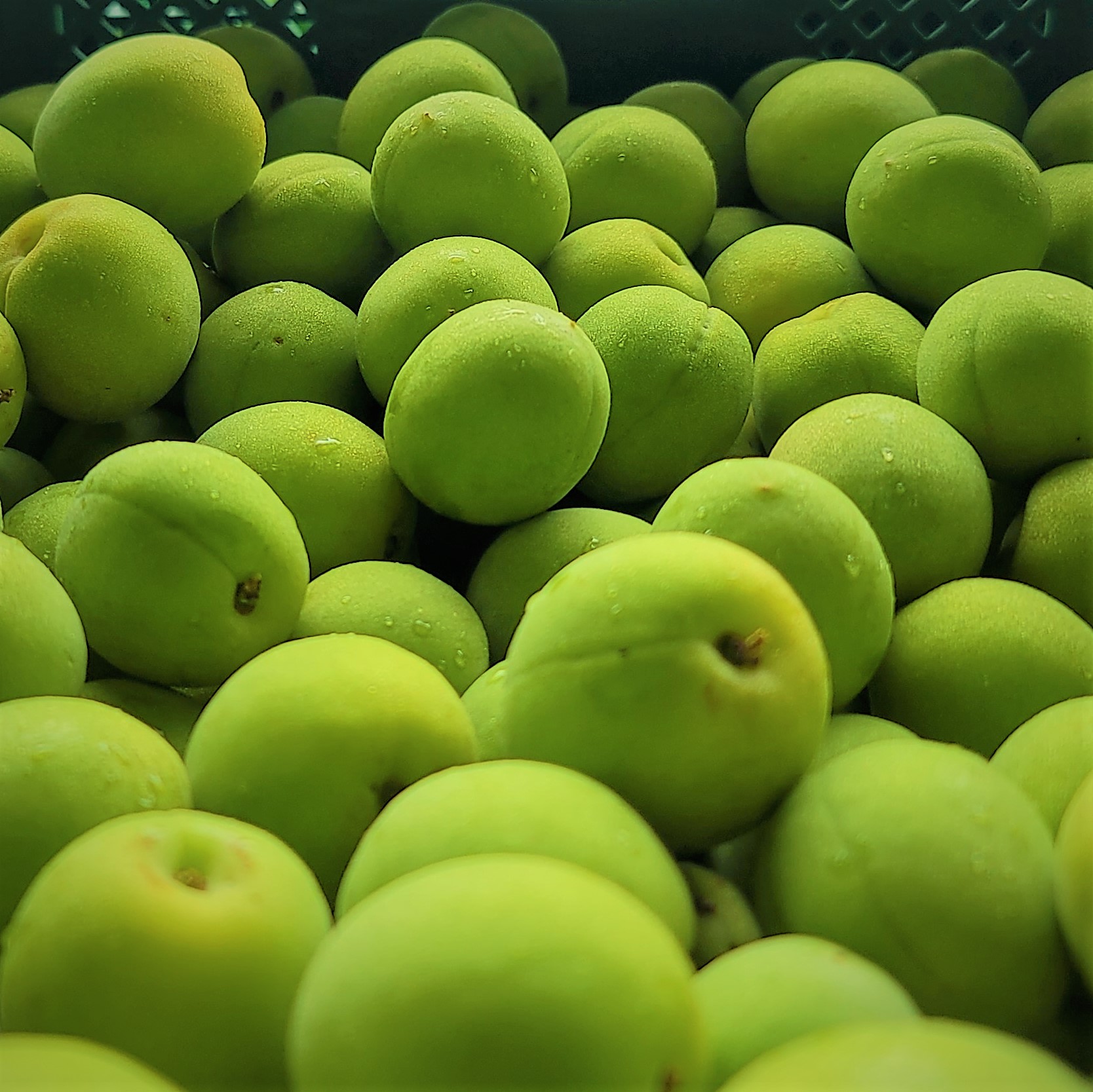
Green maesil has a green skin and firm flesh. Its tartness is clear, and it does not soften as quickly, which makes it easier to prepare for pickles or syrup. The firmness is especially helpful when you need to remove the pits or cut the fruit for pickled maesil.
Yellow maesil
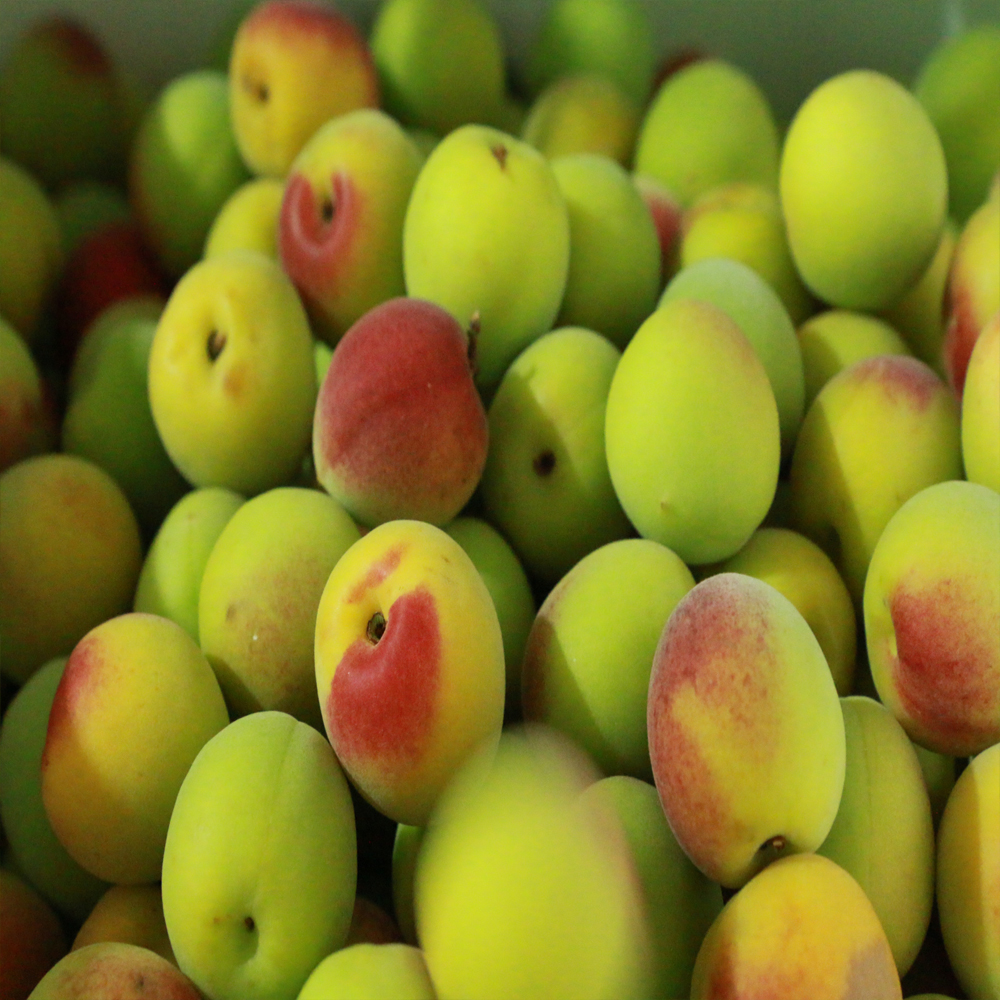
Yellow maesil is green maesil that has ripened further and turned yellow. It has a deeper aroma and a juicier feel, so it suits recipes where fragrance is important. However, it can soften more easily than green maesil, so it is best to inspect and prepare it soon after delivery.
When to Buy at a Glance
| Type | Most common timing | Main traits | Recommended uses |
|---|---|---|---|
| Green maesil | Early to mid-June | Firm with a clear tartness | Pickled maesil, maesil-cheong, pitting and cutting |
| Yellow maesil | Late June to early July | More fragrant and softer | Aromatic maesil-cheong, maesil wine, jam |
How to Choose by Use
If you plan to make pickled maesil, the flesh needs to stay firm so the pieces hold their shape when cut or pitted. That is why green maesil is usually the first choice for pickles.
If you want a more aromatic maesil-cheong, yellow maesil is often chosen because its fragrance tends to be stronger. Just avoid fruit that is already too soft.
If you are buying a large box, open the box as soon as it arrives, check the condition of the fruit, and separate any bruised or damaged pieces first. Maesil can continue ripening and softening quickly.
Maesil Products Worth Checking Before You Buy
Because the maesil season is short, timing, fruit condition, weight options, and recent reviews matter. If you are preparing maesil-cheong or pickled maesil, check the product options and shipping notes right before you buy.
Prices, stock, discounts, and shipping terms may change depending on the seller.
Checklist Before Buying
First, decide what you want to make.
Maesil-cheong, pickles, plum wine, and jam all call for slightly different fruit conditions. Instead of buying only because it is “in season,” choose based on your recipe.
Second, be ready to prepare the fruit as soon as it arrives.
This is especially important for yellow maesil, which can soften faster than green maesil. It is better not to leave it untouched for a day or two.
Third, do not treat maesil like a fruit to eat raw.
In Korea, maesil is usually used as an ingredient for syrup, pickles, wine, and other processed preparations. Plan the washing, drying, pitting, and storage steps before you buy.
One more note
Prices and harvest timing can vary by region, variety, and weather. Search volume rises sharply in June because the practical preparation window is short, so it helps to choose a different buying window depending on whether you need pickling fruit or syrup fruit.
Maesil Products Worth Checking Before You Buy
Because the maesil season is short, timing, fruit condition, weight options, and recent reviews matter. If you are preparing maesil-cheong or pickled maesil, check the product options and shipping notes right before you buy.
Prices, stock, discounts, and shipping terms may change depending on the seller.
Frequently Asked Questions
Q. When exactly is maesil season?
A. In Korea, maesil season is generally considered to run from June to early July. However, the best purchase timing differs slightly between green maesil and yellow maesil because they are at different ripeness stages.
Q. Which is better for maesil-cheong, green maesil or yellow maesil?
A. If you prefer a cleaner, sharper taste, green maesil is commonly used. If you want to emphasize aroma, yellow maesil is often preferred.
Q. Why is green maesil often used for pickles?
A. Because it is firm, it holds its shape better when pitted or sliced and is more suitable for a crisp pickled texture.
You may also like: Daily Zodiac Horoscope for June 7, 2026: Manse Calendar Im-Zi (壬子) Day and the 12 Earthly Branches
This post contains affiliate/advertising links. If you make a purchase through these links, the author may receive a small commission.