Mounjaro in Korea: Prescription Surge, Weight-Loss Clinic Concerns, Effects, Side Effects and Price Changes
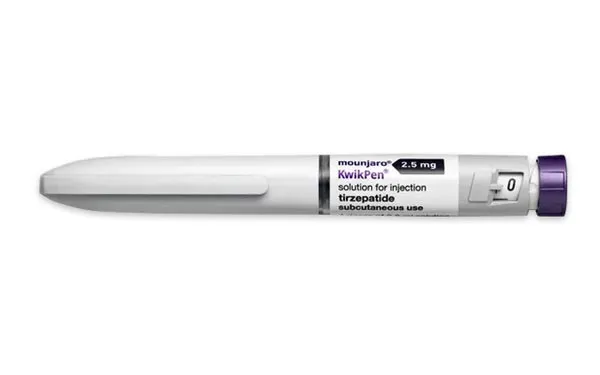
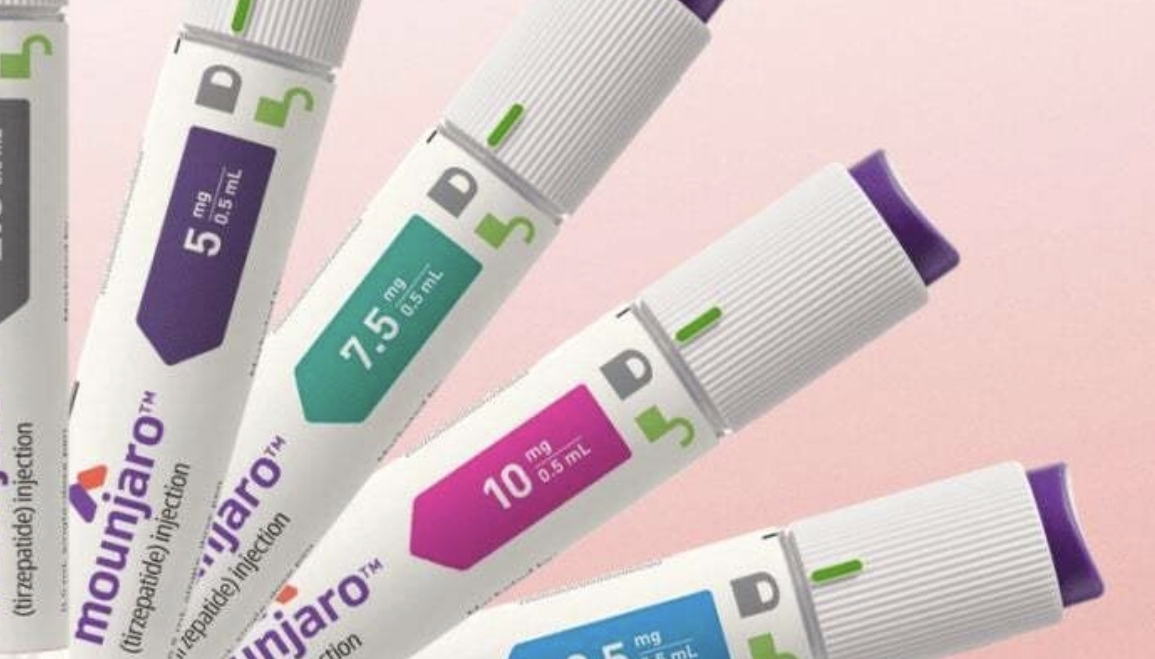
Mounjaro has become one of the most discussed prescription drugs in Korea because demand has expanded beyond diabetes care into weight management. The active ingredient, tirzepatide, is a once-weekly injection that acts on both GIP and GLP-1 receptors, so public interest has grown quickly as reports describe strong appetite and weight-control effects.
The important point is that Mounjaro is not a casual beauty product. It is a prescription medicine that should be considered only after a clinician checks BMI, obesity-related conditions, current medication, medical history and possible side effects. For readers following this issue, the core question is not only whether the drug works, but whether it is being prescribed and used safely.
Why prescriptions surged
Recent Korean reports have described a sharp rise in Mounjaro prescriptions and the appearance of so-called “hot spot” clinics for weight-loss injections. Some articles said that normal-weight people also visited clinics hoping for cosmetic weight loss, while other clinics reportedly refused cases that did not fit appropriate criteria.
This is why the issue has become controversial. When a medicine with real treatment value is consumed like an easy diet shortcut, patients who medically need treatment may face supply problems, price pressure or rushed consultations.
How tirzepatide works
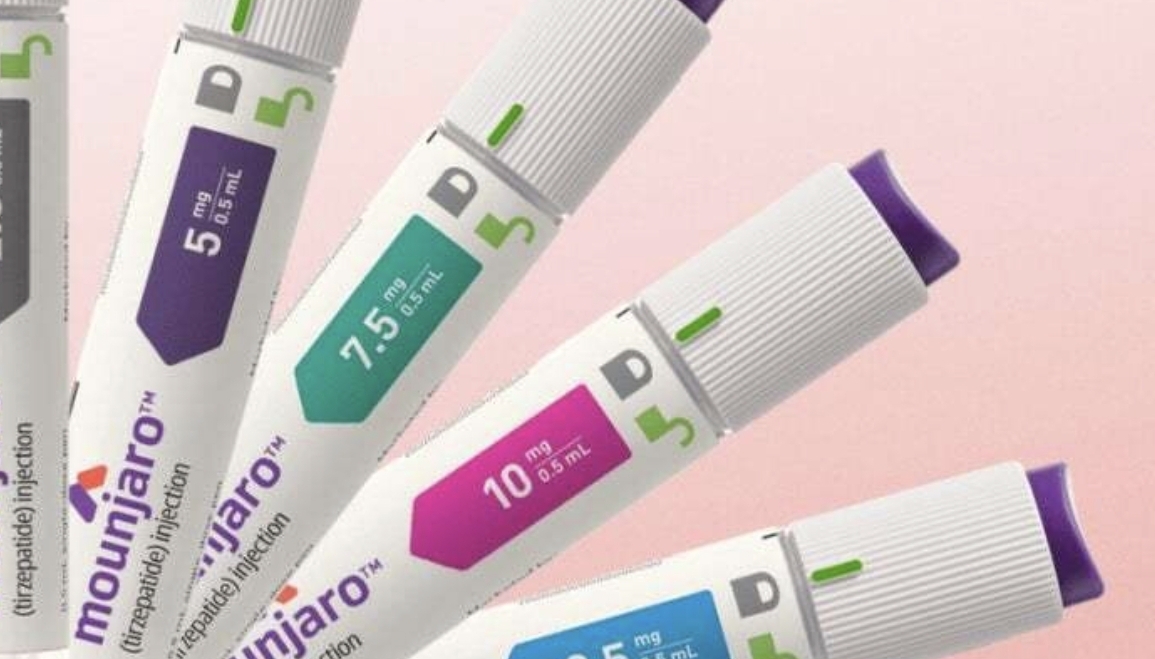
Tirzepatide stimulates both GLP-1 and GIP pathways. In simple terms, these pathways are related to insulin response, glucagon control, stomach emptying and appetite signals. That can help with blood sugar control and may also reduce appetite, helping some patients eat less and lose weight over time.
However, it does not “melt fat” by itself. Diet, activity, follow-up visits and dose adjustment still matter. Stopping treatment or using it without lifestyle changes may make long-term weight control difficult.
Who the approved use is aimed at
In Korea, the discussion centers on adults with type 2 diabetes and adults who meet obesity or overweight criteria with weight-related health risks. BMI, high blood pressure, dyslipidemia, sleep apnea, cardiovascular disease and diabetes status can all affect whether treatment is appropriate.
That is different from using the injection only to become slimmer for appearance. People with a history of pancreatitis, certain thyroid cancer risks, pregnancy plans, serious gastrointestinal symptoms or other medical concerns should be especially cautious and discuss the risks with a doctor.
Side effects and price concerns
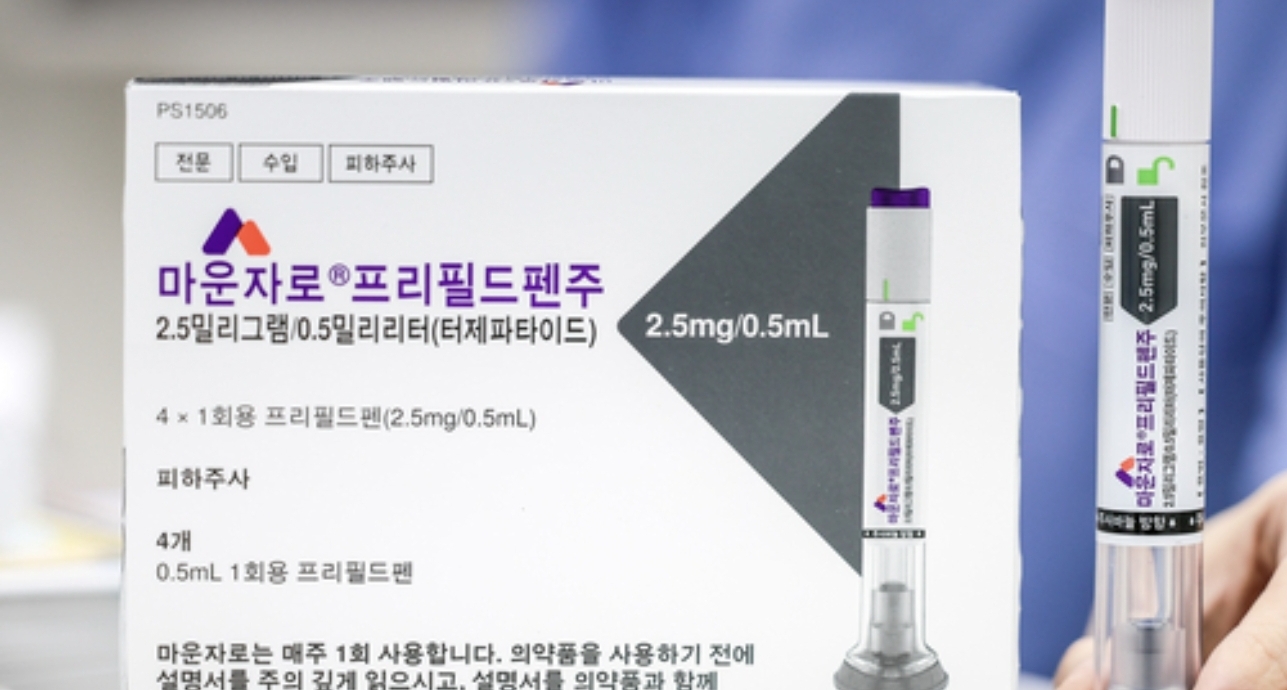
Commonly discussed adverse effects include nausea, vomiting, diarrhea, constipation, abdominal discomfort and appetite loss. More serious warnings can involve pancreatitis, gallbladder disease, dehydration, kidney burden and low blood sugar when used with certain diabetes medicines.
Supply and price have also become part of the issue. Starting and middle doses may be harder to obtain when demand rises suddenly, and out-of-pocket costs can vary by clinic, pharmacy, region and inventory situation.
Bottom line
Mounjaro is best understood as a powerful prescription treatment that can be useful for the right patient, not as a simple trend item. Anyone considering it should check medical eligibility, side-effect risks, current price, supply, dose schedule and follow-up plan with a healthcare professional before making a decision.
Related post: Sharp Foot Pain on the First Morning Step: Plantar Fasciitis, Fat Pad Atrophy and Morton’s Neuroma
#Mounjaro #Tirzepatide #WeightManagement #BloodSugar
이 글은 제휴활동의 일환으로, 구매가 발생할 경우 일정액의 수수료를 제공받을 수 있습니다.