Youth Future Savings Plan Guide: Conditions, Government Contributions and How to Apply
This English companion post explains the same topic in a localized format for international readers. It focuses on what the program, market issue or company means, what to check first, and which practical details should not be missed.
The goal is not a literal translation. It is a clear guide that keeps the original Korean context while making the topic easier to understand for readers who follow Korean housing, finance, policy, health or market news in English.

Quick overview
| Item | Key point | Why it matters |
|---|---|---|
| Product | Youth Future Savings | Policy savings plan |
| Deposit example | Monthly limit may apply | Check official rules |
| Benefit | Government contribution | Eligibility matters |
| Term | Maturity condition | Keep the schedule |
What the Youth Future Savings Plan is
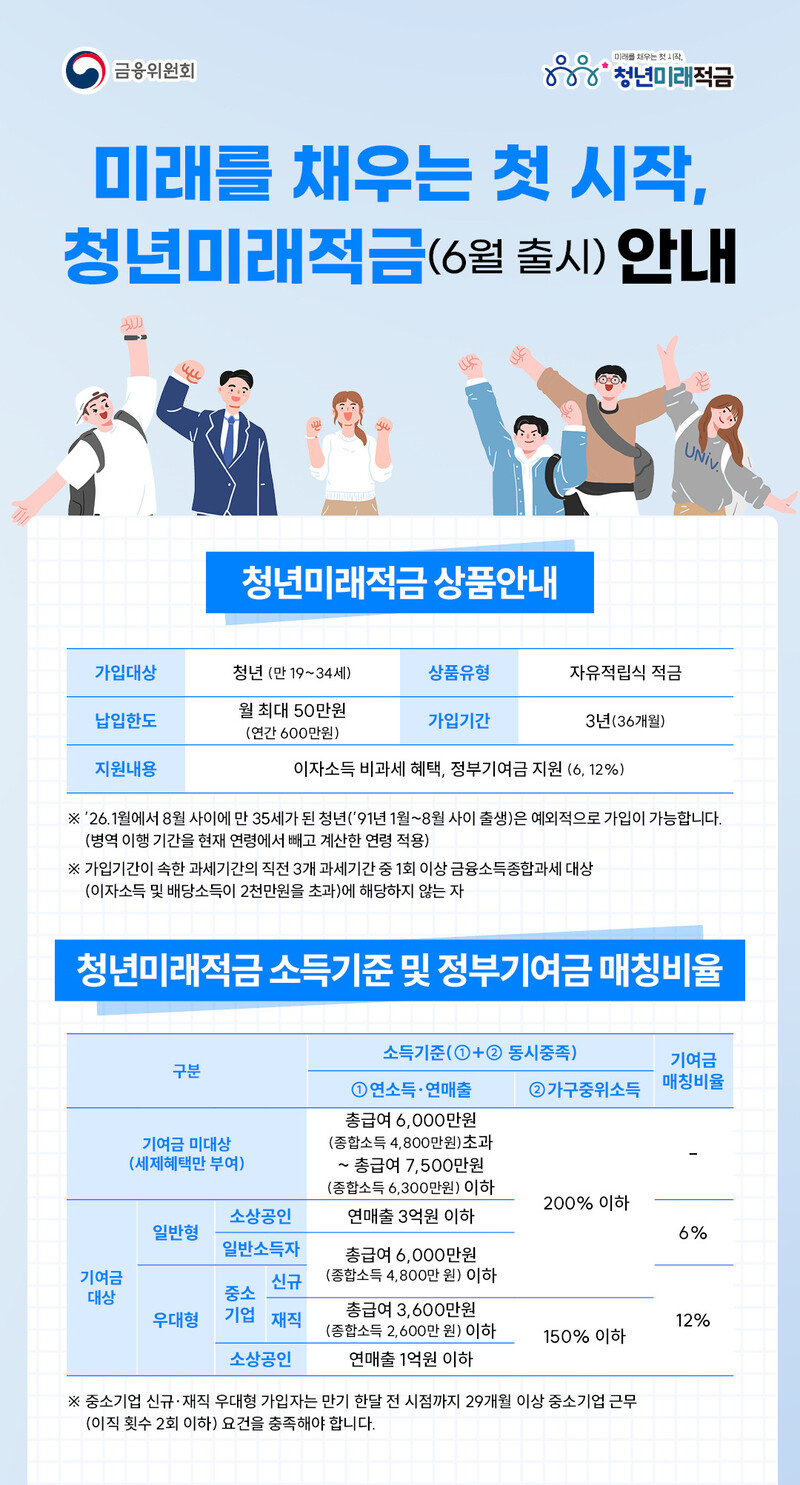
The Youth Future Savings Plan is a policy-style savings product designed to help young adults build assets over a fixed period. The most important points are eligibility, monthly deposit limit, government contribution rules and what happens if the account is closed before maturity.
Conditions to check first
Applicants should check age, income, employment or household-related requirements before focusing on the headline benefit. A product can look attractive, but if the applicant does not meet the income condition or misses the application window, the benefit cannot be used.
How contributions may work
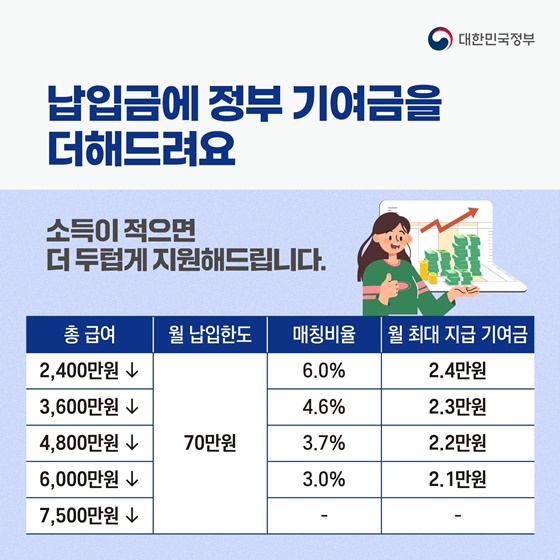
Government support is usually tied to regular saving and eligibility maintenance. The exact contribution can depend on income level, deposit amount and the rules announced for the product. This is why comparing only the maximum benefit can be misleading; the realistic benefit should be calculated from your own monthly saving capacity.
Application checklist
Prepare identity verification, income confirmation, bank-app access and the official application schedule. Compare the product with existing youth savings accounts before moving money, especially if closing an existing account would reduce benefits.
Bottom line: Read the official notice, account terms or company data before making a decision. The summary is useful for orientation, but eligibility, timing, tax treatment and investment risk must always be checked against the latest official information.
Frequently Asked Questions
Who should review this plan?
Young adults who meet the age and income conditions and can save regularly should review the official rules.
Is the maximum benefit guaranteed?
No. It depends on eligibility, deposit amount and program rules.
What should I compare with existing accounts?
Contribution, interest, maturity period, cancellation rules and lost benefits from switching.
You can also browse more English policy and finance explainers on this site.