Fasting Blood Sugar Normal Range: Diagnosis Criteria for Normal, Prediabetes, and Diabetes
Fasting blood sugar is not just a single number on a health-checkup report. To read it correctly, you need to understand the normal range, the prediabetes range, the diabetes diagnosis threshold, and when repeat testing matters.
Many people confuse a normal fasting glucose value with a treatment target for someone who already has diabetes. These are related, but they are not the same thing.
Normal fasting blood sugar and diagnostic ranges
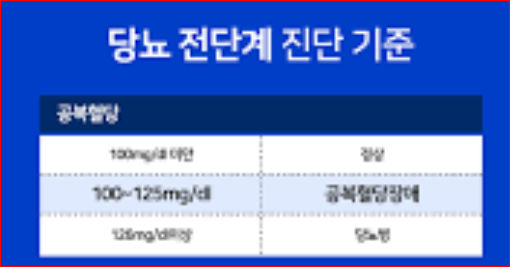
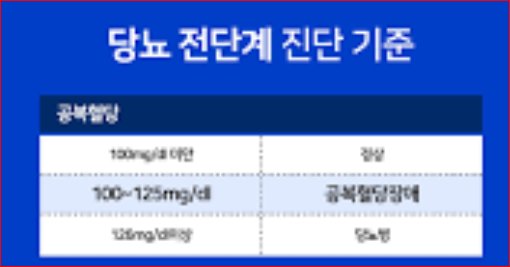
Fasting blood sugar means a blood test taken after at least eight hours without calorie intake. In standard diagnostic criteria, a fasting glucose below 100 mg/dL is considered normal.
- Normal: below 100 mg/dL
- Impaired fasting glucose / prediabetes: 100–125 mg/dL
- Diabetes range: 126 mg/dL or higher
A home glucose meter can be helpful for daily reference, but it does not replace a properly performed diagnostic blood test.
Can fasting blood sugar alone confirm diabetes?
A fasting blood sugar of 126 mg/dL or higher meets the diabetes diagnostic threshold. However, unless the high blood sugar is very clear, doctors often confirm it with repeat testing on another day.
In some situations, diagnosis may be made when more than one criterion is met, such as fasting glucose, HbA1c, an oral glucose tolerance test, or classic symptoms with random glucose.

The point many people misunderstand
For health screening, “normal fasting blood sugar” usually means below 100 mg/dL. But for people already diagnosed with diabetes, a common pre-meal management target may be around 80–130 mg/dL depending on the clinical situation.
That means a normal diagnostic value for a person without diabetes and a treatment target for a person with diabetes should not be treated as the same concept.
When additional testing is worth considering
- Fasting blood sugar repeatedly appears at 100 mg/dL or higher.
- HbA1c is also elevated.
- Thirst, frequent urination, or unexplained weight loss appears.
- There is family history, obesity, high blood pressure, or fatty liver.
- Borderline health-checkup results keep repeating.
Key takeaway
Fasting blood sugar should be read together with fasting conditions, the need for repeat testing, and HbA1c. One number matters, but the context around that number matters just as much.
FAQ
Does a fasting glucose of 100 mean diabetes?
No. A fasting glucose of 100–125 mg/dL falls into the impaired fasting glucose or prediabetes range, where lifestyle changes and follow-up testing are important.
Are diabetes treatment targets the same as normal values?
No. Normal values are diagnostic reference points, while treatment targets are management goals for people who already have diabetes.
#FastingBloodSugar #Prediabetes #DiabetesCriteria #HbA1c #BloodSugar #HealthCheckup
이 글은 제휴활동의 일환으로, 구매가 발생할 경우 일정액의 수수료를 제공받을 수 있습니다.