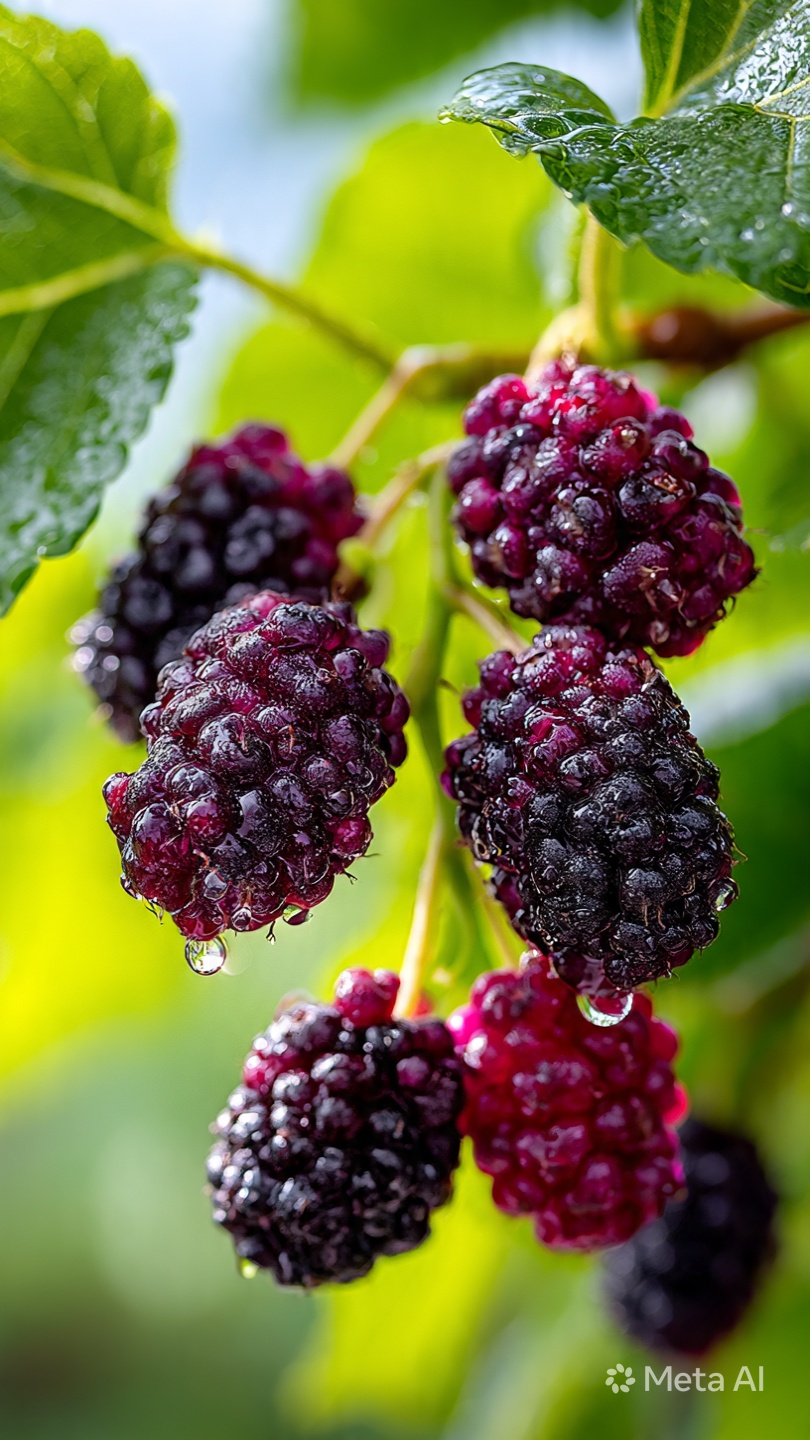
As June arrives, interest in odi (mulberries) naturally peaks. The season is short, fresh berries are delicate, and many seek information on their properties and where to buy them. While mulberry (odi) is celebrated as a deep-colored “black food,” it’s best to view its health effects through its nutrients rather than exaggerated claims.

5 Potential Benefits of Mulberry (Odi) and How to Identify Native Varieties
Guidelines for Choosing Fresh Berries in June
Odi is the fruit of the mulberry tree, typically reaching its peak season between May and June. It is a well-known black food containing compounds such as anthocyanins, rutin, 1-DNJ, and resveratrol, and can be enjoyed fresh, as juice, extract, or jam.
Basic Information on Odi
Mulberry (Odi): A Look at Its Nutritional Profile
Antioxidant Properties
The deep color of odi is linked to its anthocyanin content. These pigments are often discussed for their antioxidant activity, which is a primary reason why odi is prized as a black food.
Eye Health Interest
The anthocyanins in mulberries are frequently mentioned in literature regarding vision. However, food intake alone is not a substitute for medical treatment; it is best approached as part of a balanced diet.
Blood Sugar Support
Odi is known to contain 1-DNJ, a compound that many people interested in blood sugar management look for. Always consult a healthcare professional for any medical concerns regarding diabetes.
Vascular Health Support
Compounds like resveratrol and rutin are often highlighted. Odi is frequently enjoyed as a health-conscious food choice, balanced between fresh consumption and processed options.
Improved vs. Native Odi: What to Consider
| Category | Characteristics | Recommended Use |
|---|---|---|
| Improved Varieties | Relatively large and juicy; popular for fresh eating or juicing | Fresh, smoothies, freezing |
| Native Varieties | Smaller berries with concentrated aroma and sweetness | Juice, extract, processing |
| Fully Ripened | Deep blackish-violet; very soft and delicate | Immediate consumption, freezing, juice |
How to Choose Fresh Odi
Under-ripe berries may be red and quite tart. For the best sweetness and aroma, prioritize well-ripened berries with a dark, rich color.
Odi has thin skin and can easily be crushed during transport. If you notice significant juice leakage or many bruised berries, sort them quickly.
Freshness is key. When ordering from farms, check the harvest date, shipping schedule, and whether they use refrigerated or insulated packaging.
Precautionary Note
While odi is a nutrient-rich ingredient, it is not a medicine for treating specific diseases. If you have underlying health conditions like blood sugar or blood pressure issues, or are taking medication, consult a professional before consuming large amounts of extracts or concentrates.
Frequently Asked Questions
Q. When is the peak season for odi?
A. It’s generally between May and June. The exact timing can vary depending on the region and specific variety.
Q. Can I eat mulberries fresh?
A. Yes, they can be eaten fresh, but since they soften quickly, it’s best to enjoy them soon after purchase or freeze them.
Q. Is native odi always better?
A. It depends on your needs. For fresh eating, larger improved varieties are often preferred, while native varieties are favored for juice and extract due to their concentrated flavor.
Conclusion
Odi is an early summer treat that offers a unique taste and nutritional profile during its brief season. Its popularity in June is driven by its rich color, versatility in recipes, and the fleeting nature of the fresh harvest.
It’s best to view its potential benefits through its nutritional components like anthocyanins, rutin, 1-DNJ, and resveratrol. While these are interesting compounds, odi should be enjoyed as part of a diverse and healthy lifestyle rather than a standalone solution for health concerns.
Related guide: More K-culture and life guides