US April 2026 CPI Rose 3.8%
Energy Shock and Rate-Cut Outlook Explained
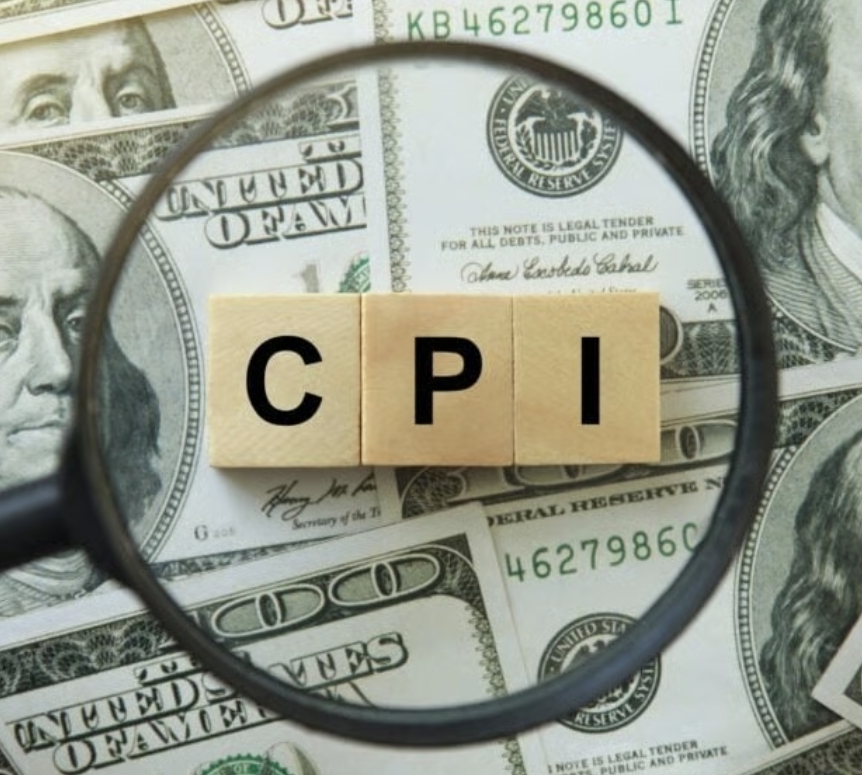
The April 2026 US Consumer Price Index rose 3.8% from a year earlier and 0.6% from the previous month. The headline number matters, but the deeper story is energy inflation, renewed shelter pressure, weaker real wages, and a slower path toward Federal Reserve rate cuts.
US inflation data matters for Korean investors as well because it can move Treasury yields, the dollar, the won, growth stocks, and commodity prices. The key point is not simply that CPI reached 3.8%, but that energy-driven price pressure can spread into living costs and financial-market expectations.

Basic CPI Information
| Agency | US Bureau of Labor Statistics |
|---|---|
| Indicator | Consumer Price Index for All Urban Consumers, CPI-U |
| Period | April 2026 |
| Headline CPI | 0.6% month over month, 3.8% year over year |
| Core CPI | 0.4% month over month, 2.8% year over year |
| Next CPI date | May CPI scheduled for June 10, 2026 |
Quick Summary
- Headline CPI rose 3.8% year over year, up from 3.3% in March.
- Monthly CPI rose 0.6%, still a strong pace even though it was lower than March.
- Energy prices rose 3.8% month over month and 17.9% year over year.
- Gasoline rose 28.4% from a year earlier, putting pressure on household and logistics costs.
- Real hourly earnings fell 0.3% year over year, meaning inflation outpaced wage growth.

Why the Energy Shock Matters
Energy was the clearest driver in the April CPI report. Gasoline, fuel oil, and broader energy costs can affect transportation, logistics, food distribution, airline fares, and household budgets. If energy prices stay high, headline inflation may not cool as quickly as markets want.
Core interpretation: this report is not only about one month of inflation. It shows that an energy shock can affect living costs and the market’s view of future monetary policy at the same time.
Why Rate-Cut Expectations Were Pushed Back
The Federal Reserve becomes more cautious when inflation moves higher while the economy has not yet weakened enough to justify urgent cuts. Higher headline CPI, firmer core CPI, rising Treasury yields, and a stronger dollar all point to a slower rate-cut path.
- Headline CPI: energy lifted the overall inflation reading.
- Core CPI: underlying price pressure remained sticky.
- Treasury yields: markets priced in a longer high-rate period.
- Dollar: a stronger dollar can pressure the won and emerging-market assets.
What Korean Investors Should Watch
Energy stability is the first condition for headline CPI relief.
The Fed focuses on whether inflation spreads into services and underlying price trends.
A longer high-rate cycle can affect the won, foreign flows, and growth-stock valuations.
Falling real wages can eventually reduce spending power.
When following CPI and interest-rate data, it can help to pair the data release with macroeconomics and rate-cycle books and simple note-taking or calculation tools for investment study.
Bottom Line
The April 2026 US CPI report showed that energy inflation pushed headline prices higher, shelter and food costs kept household pressure elevated, and the case for quick Fed rate cuts became weaker.
One CPI report does not decide the full rate path. Investors still need to watch the next CPI release, PCE inflation, employment data, oil prices, and Fed communication.