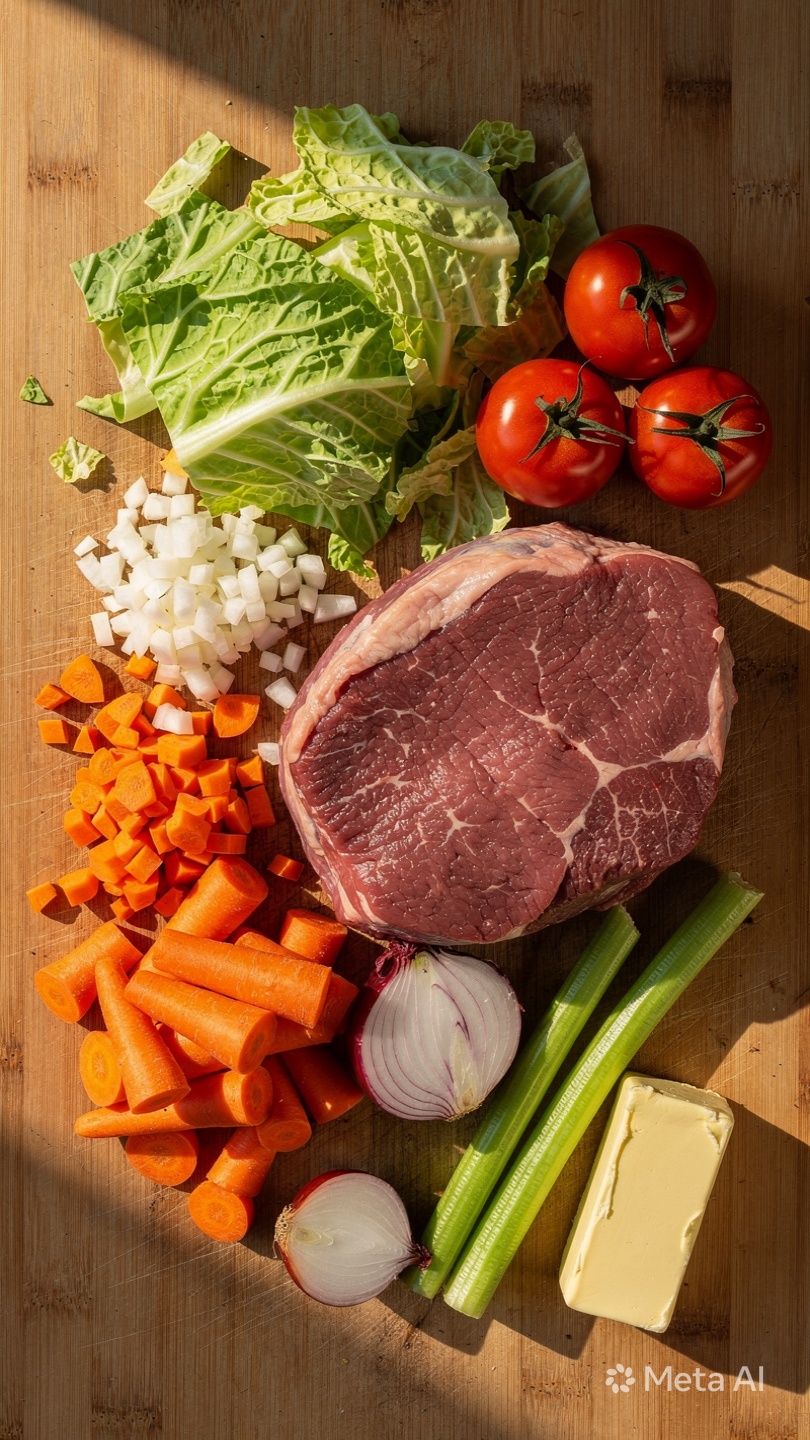
One of the hardest parts of starting a diet is not just hunger, but the feeling that your meals have become too repetitive. Witch soup is a warm one-pot meal made with plenty of bulky vegetables such as cabbage, tomatoes, onions, and carrots for fullness, with beef added to help round out the protein.
Best Witch Soup Recipe Guide: Low-Calorie Tomato Vegetable Soup and Nutrition Notes
Witch soup is a diet-style soup made by simmering cabbage, tomatoes, onions, carrots, celery, and beef in a tomato base. It is often called a detox soup, but it is more accurate to view it as a lower-calorie, filling meal option that combines vegetables and protein in one bowl rather than as a medically proven way to remove toxins.

Witch soup is also known online and in diet communities as cabbage soup, tomato vegetable soup, or detox soup. The name is thought to come from the image of a large pot of vegetables simmering for a long time, much like a witch stirring a cauldron.
However, claims such as “removes lactic acid and waste,” “flushes out toxins,” or “officially originated as a pre-heart-surgery hospital diet” lack reliable medical evidence. If body weight changes while eating this soup, it is safer to understand that change as mostly related to reduced overall calorie intake, fluid shifts, increased fiber, and fewer processed foods rather than any special detox effect from the soup itself.

Basic Information About Witch Soup
Ingredients for Witch Soup
The amounts below make about 4–5 servings. If you are eating it for weight management, keep chicken stock and salt modest, and pair the soup with beef, chicken breast, boiled eggs, or another protein source so your protein intake does not become too low.
| Ingredient category | Suggested amount | Role |
|---|---|---|
| Tomatoes | 3–4 | Acidity, umami, moisture, and a red base |
| Cabbage | 1/4 head | Volume, fiber, and fullness |
| Onions | 2 | Natural sweetness and flavor |
| Carrot | 1 | Sweetness, color, and bite |
| Celery | 1 stalk | Aroma and a fresh finish |
| Beef | 200–300 g | Protein support and savory broth flavor |
| Unsalted butter | 20–30 g | For browning the meat and adding flavor |
| Tomato purée or whole canned tomatoes | 400–500 g | A rich tomato base |
| Water | 200–400 ml | Adjusts thickness |
| Optional seasonings | 1 tablespoon curry powder, black pepper, bay leaf, low-sodium chicken stock | Aroma and seasoning control |
Prep Tips Before Cooking
Cut the vegetables into spoon-sized pieces
Witch soup is simmered for a long time, so vegetables chopped too finely can lose their texture. Cut cabbage, tomatoes, carrots, and onions into pieces that are easy to scoop with a spoon.
Choose leaner cuts of beef
Brisket, round, or chuck eye can add savory depth to the broth. For a diet-focused version, leaner cuts are usually better than very fatty cuts.
Make the tomato base rich
Fresh tomatoes alone can taste mild. Adding tomato purée or whole canned tomatoes brings out more umami without needing a lot of salt.
Use chicken stock sparingly
Chicken stock quickly boosts flavor, but it can also raise sodium. If you are managing calories, sodium, or blood pressure, choose a low-sodium product or use less.
How to Cook Witch Soup
Wash the cabbage, onions, carrots, tomatoes, and celery, then dice them. Cut the beef into bite-sized pieces as well. If using frozen meat, thaw it first and lightly blot excess blood or moisture with a paper towel to reduce any off smell.
Melt unsalted butter in a deep pot, add the beef, and cook over medium heat until the outside is browned. This step helps the meat flavor infuse the broth and keeps the whole soup from tasting flat.
Add the onion, carrot, and celery, then sauté until the onion turns translucent. Once the onion and carrot release their sweetness, the soup tastes softer and rounder without adding sugar.
Add the cabbage and fresh tomatoes, stir until they begin to soften, then pour in the tomato purée and water. It may look like there is not enough liquid at first, but cabbage and tomatoes release plenty of moisture, so avoid adding too much water all at once.
Black pepper, bay leaf, and curry powder can reduce meaty odors and deepen the flavor. If using chicken stock, start with half a cube or a small amount, taste, and add more only if needed.
Cover the pot and simmer over low heat for 40 minutes to 1 hour. Stir occasionally so the bottom does not scorch, and add small amounts of water if it becomes too thick. It is ready when the cabbage is tender and the broth tastes rich.
The Best Ratio for Better Flavor
Aim for roughly 2 parts tomato base, 3 parts vegetables, and 1 part protein
The most common reason witch soup tastes disappointing is that too much water makes it bland. Build the thickness around tomato purée and the liquid released by the vegetables, then add only enough water to prevent sticking for a deeper flavor.
For a diet-friendly version, you do not have to remove butter completely. Using about 20 g to brown the beef can make the soup more satisfying. Cutting fat too aggressively may reduce fullness and make snacks more tempting later.
Nutrition Analysis
Approximate nutrition estimate for the full pot, based on 4–5 servings
Using 4 tomatoes, 1/4 head of cabbage, 2 onions, 1 carrot, 1 celery stalk, 250 g beef, 30 g unsalted butter, and 500 g tomato purée, the entire pot can be estimated at roughly 1,050–1,150 kcal.
Estimated per serving
If divided into 5 servings, one serving is about 210–230 kcal; if divided into 4 servings, it is about 260–290 kcal. Depending on the amount of beef, protein is roughly 13–18 g per serving, and fiber is about 5–8 g per serving. Sodium can rise significantly if chicken stock and salt are added.
| Item | Estimated range | What changes it |
|---|---|---|
| Calories per serving | About 210–290 kcal | Beef cut, amount of butter, and whether the pot is divided into 4 or 5 servings |
| Protein | About 13–18 g | Whether 200 g or 300 g of beef is used |
| Fiber | About 5–8 g | Amount of cabbage and vegetables |
| Sodium | Low to high | Chicken stock, salt, and sodium in processed tomato products |
| Potassium | May be high | Concentrated intake of tomatoes, carrots, cabbage, and celery |
How to Eat It for Weight Management
Use it as a meal replacement sometimes, but avoid one-food dieting
Witch soup can be helpful when you want a lighter, filling meal. However, eating only this soup for all three meals can make it easy to fall short on protein, fats, and some micronutrients.
Add enough protein
Using enough beef or pairing the soup with boiled eggs, chicken breast, tofu, Greek yogurt, or similar foods can help reduce the risk of inadequate protein intake.
Do not cut carbohydrates automatically
On workout days or days with higher activity, it may be easier to stay consistent if you add moderate carbohydrates such as half a bowl of brown rice, sweet potato, or whole-grain bread.
Make a lower-sodium version
Too much chicken stock can raise sodium and may not suit people trying to manage bloating or blood pressure. Black pepper, bay leaf, curry powder, garlic, and herbs can add flavor while reducing the need for salt.
How to Store It in the Fridge or Freezer
- Do not leave the finished soup in the pot for too long; let it cool briefly, then portion it out.
- For refrigerated storage, it is best to eat it within 2–3 days.
- For longer storage, freeze individual portions in airtight containers.
- When reheating after thawing, add a little water if you need to adjust the thickness.
- Because the soup contains beef, reheat it thoroughly to the center before eating.
- Repeatedly heating and cooling the same batch can reduce both flavor and food safety.
Who Should Be Careful
People with reduced kidney function should use caution.
Eating concentrated amounts of vegetables such as tomatoes, carrots, cabbage, and celery may increase potassium intake. If you have chronic kidney disease or have been told to limit potassium, consult your healthcare provider.
If you have diabetes, consider the whole meal pattern.
Witch soup contains many vegetables, but it also includes carrots, tomato purée, and onions, and irregular meal timing can affect blood glucose. If you use diabetes medication or insulin, a short-term one-food diet requires particular caution.
Pregnant people, breastfeeding people, teenagers, and anyone with a history of disordered eating should avoid one-food dieting.
During life stages when growth, recovery, and hormonal balance are important, maintaining a very low-calorie diet for too long is not advisable.
Why Witch Soup Sometimes Fails
Vegetables release moisture as they cook, so adding a lot of water at the beginning weakens the flavor. Simmer mainly with tomato purée and vegetable juices, then add only as much water as needed.
Vegetables alone keep calories low, but they may not keep you full for long. Beef, chicken breast, tofu, or eggs can make the meal more sustainable.
A lot of chicken stock can make the soup taste better quickly, but it also raises sodium. Curry powder, black pepper, garlic, bay leaf, and herbs are better ways to build flavor.
Witch soup is a meal-planning soup, not a long-term one-food diet. It is safer to include it within balanced meals than to eat only soup for more than a few days.
Frequently Asked Questions
Q. Does witch soup really detox the body?
A. “Detox” is mostly a popular nickname in this context. This is not a diet with proven medical toxin-removal effects; the liver and kidneys already handle detoxification and excretion. It is more accurate to view witch soup as a soup that can support vegetable intake and calorie control.
Q. Can I eat only witch soup for 7 days?
A. It is not recommended. Cabbage-soup-style diets are essentially short-term low-calorie diets, and longer use can lead to insufficient protein, fat, and certain nutrients. It is safer as an occasional meal replacement or supporting dish.
Q. Do I have to use beef?
A. No. You can use chicken breast, skinless chicken thigh, tofu, chickpeas, or another protein source. However, if protein is too low, fullness and long-term adherence may suffer.
Q. Can I leave out the butter?
A. Yes. That said, a very small amount of butter used to brown the meat improves flavor and can make the soup easier to keep eating. If you want to reduce calories further, use a small amount of olive oil or sauté with water instead.
Q. Is it okay if I have diabetes?
A. It depends on your individual condition. If you have diabetes, skipping meals or eating only soup may cause low blood sugar or wider blood glucose swings. Balance carbohydrates, protein, and fat, and follow advice from your healthcare provider.
Q. Can I freeze it?
A. Yes. Freezing individual portions is convenient. When reheating after thawing, add a little water if needed and heat thoroughly to the center before eating.
Final Thoughts
Witch soup is a tomato vegetable soup made with plenty of cabbage, tomatoes, onions, carrots, and celery for a filling bowl. Adding beef improves the protein content, making it more useful as a meal than a simple vegetable soup. For the best flavor, use less water and simmer it richly with tomato purée and the moisture released by the vegetables.
Any diet effect usually comes less from a special detox action and more from controlling total calorie intake and simplifying meals. Rather than eating only witch soup for a long period, pair it with protein and a moderate amount of carbohydrates, and adjust the plan to your personal health needs if you have kidney disease or diabetes.
Important note
This recipe is based on general meal-planning information and publicly available nutrition references. It does not claim to treat disease, guarantee weight loss, or confirm toxin-removal effects. People with chronic conditions, pregnant or breastfeeding people, and teenagers should consult a qualified professional before making major dietary changes.