JTBC and Megabox Central’s rehabilitation filings are not just a single-company liquidity story. They raise broader questions about JoongAng Group’s media, content and cinema businesses.
Why the JTBC and Megabox filings matter
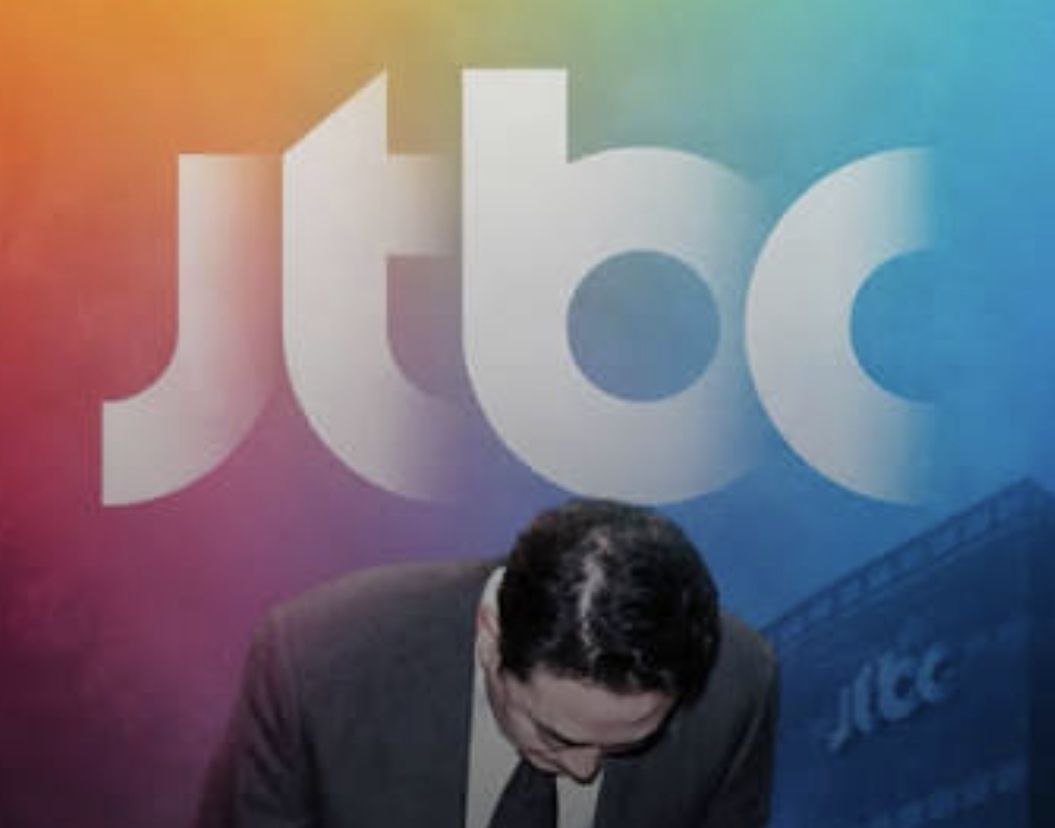
News that JTBC and Megabox Central filed for corporate rehabilitation has shaken South Korea’s broadcasting, content and cinema industries. The issue is not limited to one company failing to meet a short-term obligation. Five core companies tied to JoongAng Group — JTBC, JoongAng Holdings, Contentree JoongAng, Megabox Central and JoongAng P&I — entered the court process together.
The immediate trigger was JTBC’s default on a securitized loan. According to local reports, JTBC failed to repay 20.6 billion won in securitized borrowings that matured on June 12. The situation then widened into rehabilitation applications by other major affiliates.
Why JTBC and Megabox filed at the same time
JTBC and Megabox may look like separate businesses at first glance, but both sit inside JoongAng Group’s broader media, content and entertainment structure. JTBC is affected by broadcasting, news, sports rights and advertising markets. Contentree JoongAng is tied to content investment and production, while Megabox Central operates the cinema business.
Because JoongAng Holdings was also included in the filings, the market is treating the case less as an isolated corporate problem and more as a group-level liquidity issue.
Which companies are involved?
The companies named in the rehabilitation applications are key entities within JoongAng Group: JTBC in broadcasting, JoongAng Holdings as a holding-company-like entity, Contentree JoongAng in content, Megabox Central in cinemas and JoongAng P&I.
Contentree JoongAng and its subsidiary Megabox Central reportedly applied to the Seoul Rehabilitation Court for the commencement of rehabilitation proceedings, preservation orders and a comprehensive prohibition order. Contentree JoongAng cited business normalization and the preservation of going-concern value as the reason for the filing.
Does rehabilitation mean bankruptcy?
No. A corporate rehabilitation filing does not automatically mean bankruptcy or immediate shutdown. Rehabilitation is a court-supervised process that allows a company to continue operating while debt is adjusted and a turnaround plan is reviewed.
That said, it is not a light step. A company enters this process when it believes it cannot normally handle its debt burden without court supervision. For JTBC and Megabox, the filings signal that the group’s financial structure is under serious pressure.
Contentree JoongAng trading halt: what shareholders should watch
For investors, one of the most sensitive issues is the trading halt of Contentree JoongAng. Because it is a listed company, trading in its shares was suspended after the rehabilitation filing.
A rehabilitation filing does not automatically mean delisting. However, the timing and possibility of a trading resumption will depend on court decisions, Korea Exchange actions, the company’s turnaround plan and the overall progress of the procedure.
What are preservation orders and comprehensive prohibition orders?
Preservation orders prevent a company from selectively paying certain creditors or disposing of assets while the court reviews the case. A comprehensive prohibition order restricts creditors from taking enforcement actions such as provisional seizure, compulsory execution or auctions against company assets.
In simple terms, these measures freeze the situation while the court decides whether the company has a viable path to rehabilitation. They can give the company breathing room and create a more orderly process for creditors.
Will Megabox theaters close immediately?
Based on the available reports, it is not possible to say that Megabox theaters will immediately close. The basic purpose of rehabilitation is to keep the business operating while debt is restructured.
However, future restructuring remains possible. Some locations could be reviewed for efficiency, costs could be reduced, lease terms could be renegotiated and non-core assets could be sold depending on the court process and the company’s plan.
How the World Cup broadcasting issue fits in
JTBC has also drawn attention because of the 2026 North America World Cup broadcasting rights. A major sports event can create advertising revenue expectations, but it also brings rights costs and production expenses.
This is why the situation cannot be understood only by looking at potential advertising sales. Actual cash collection timing, rights payment schedules, existing loan maturities, content investment costs and affiliate-level cash flows all matter.
Why the issue spread across JoongAng Group
The situation became larger because JTBC, Contentree JoongAng and Megabox Central are not isolated businesses. They are connected through JoongAng Group’s media, content and entertainment structure.
If broadcasting revenue, content investment and cinema operations are all under pressure at the same time, the problem can quickly become a group-level liquidity issue. The inclusion of JoongAng Holdings is especially important because it points to a broader financial restructuring rather than a single subsidiary problem.
Key dates and issues to watch next
The most important next step is whether the Seoul Rehabilitation Court decides to commence the rehabilitation proceedings. A filing itself does not automatically start the process. The court will review materials and may schedule hearings with company representatives.
Investors and users should also watch whether Contentree JoongAng shares resume trading, how Megabox operations are adjusted, whether JTBC’s broadcasting and content strategy changes, and what kind of debt restructuring plan is submitted.
What this says about Korea’s media and content industry
The JTBC and Megabox rehabilitation filings are a JoongAng Group crisis, but they also reflect structural pressure across Korea’s media and content market. Traditional TV advertising is not as strong as it once was, OTT services have changed viewing habits, content production costs remain high and cinemas have not fully recovered to pre-pandemic demand levels.
Large sports broadcasting rights can create visibility and advertising upside, but they also require upfront investment. In that environment, a company can look highly visible to the public while its actual cash flow is under strain.
Bottom line
The core question is not simply whether JTBC will “collapse” or whether Megabox will immediately close. The more important issue is how JoongAng Group will restructure debt under court supervision and how it will resize its broadcasting, content and cinema operations.
For now, the safest approach is to follow official court decisions, company disclosures, exchange notices and confirmed reports rather than short-term rumors.
FAQ
Is the JTBC rehabilitation filing the same as bankruptcy?
No. Rehabilitation is a court-supervised process for debt adjustment and business normalization. It does not automatically mean bankruptcy, but it does show serious liquidity pressure.
Will Megabox theaters close right away?
Current public reports do not support the conclusion that Megabox theaters will immediately stop operating. Rehabilitation usually aims to keep the business running while restructuring is reviewed.
Why was Contentree JoongAng trading halted?
Because Contentree JoongAng filed for rehabilitation proceedings, the Korea Exchange suspended trading. A future trading resumption will depend on court and exchange decisions.
How large was JTBC’s default?
Reports say JTBC failed to repay 20.6 billion won in securitized borrowings that matured on June 12.
What should readers watch next?
The key items are the court’s commencement decision, preservation and prohibition orders, Contentree JoongAng trading status, Megabox operating changes and JoongAng Group’s restructuring plan.
Summary: Rehabilitation is not immediate bankruptcy, but it is a major court-supervised restructuring signal. The next stage depends on the Seoul Rehabilitation Court, company disclosures and exchange decisions.