Korea Multi-Home Capital Gains Tax Surcharge Guide
What Changes After May 10, 2026
If you own multiple homes in Korea, the sale date, location, and number of homes can sharply change the capital gains tax calculation after May 10, 2026. In principle, transfers from May 10, 2026 may face an additional 20 percentage points for two-home owners and 30 percentage points for owners of three or more homes in regulated areas.
The key date is May 9, 2026. The temporary relief period is generally described as running from May 10, 2022 through May 9, 2026. From May 10, 2026, multi-home owners selling surcharge-target homes in regulated areas should recheck the tax burden before signing or completing a sale.
What changes for multi-home capital gains tax?
| Relief ends | May 9, 2026 |
|---|---|
| Main effective point | Transfers from May 10, 2026 |
| Target | Homes in regulated areas sold by multi-home owners |
| Two-home owners | Basic tax rate + 20%p |
| Three or more homes | Basic tax rate + 30%p |

Rate comparison
| Category | During relief | From May 10, 2026 |
|---|---|---|
| Two-home owner | Basic rate 6–45% | Basic rate + 20%p |
| Three or more homes | Basic rate 6–45% | Basic rate + 30%p |
| Long-term holding deduction | May apply if conditions are met | Generally excluded for surcharge-target homes |
Whether the surcharge applies is not decided only by the number of homes. You should also check whether the home is in a regulated area, how the number of homes is counted, and whether exceptions such as temporary two-home status or rental-home rules may apply.
Sale date matters more than the contract date
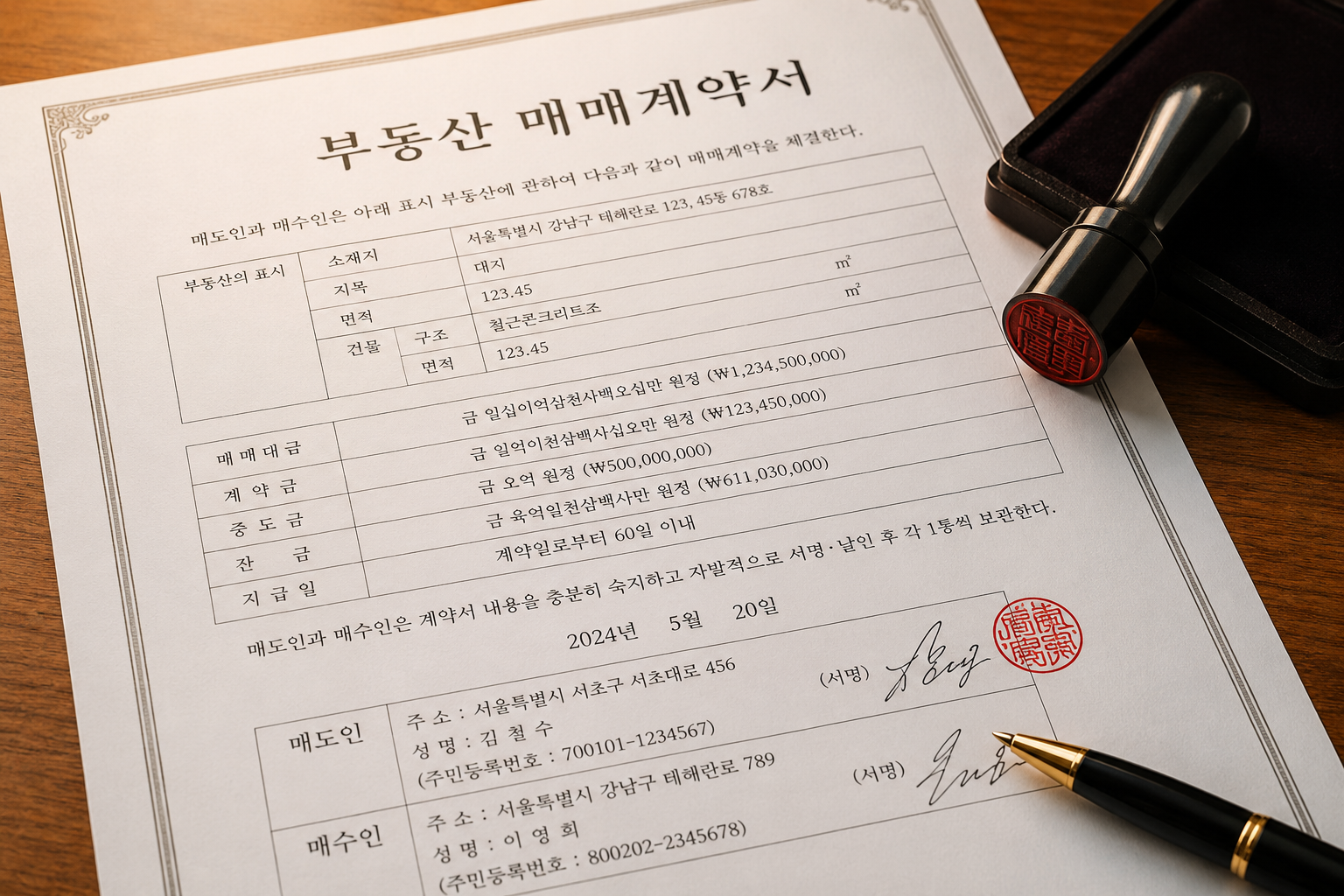
For Korean capital gains tax, the transfer timing is usually tied to payment settlement, often the final payment date. If registration happens earlier, different facts may matter, so contract date, final payment date, and registration date should all be checked.
Selling strategy checklist
First, review non-regulated-area homes. In many cases, the surcharge focuses on homes in regulated areas, so the order of sale can matter.

Second, compare estimated gains for each property. A home with a large gain can create a much larger tax burden if surcharge rates apply.
Third, plan the order of reducing home count. Moving from three homes to two, and from two to one, can change later tax calculations.
Fourth, keep evidence. Contracts, down-payment records, land permission filings, final payment records, and registration documents should be organized carefully.
FAQ
Q. When does the temporary relief end?
A. The general guidance points to May 9, 2026, with the surcharge review starting from transfers on or after May 10, 2026.
Q. Is a contract before May 10 always enough?
A. Not always. Payment evidence, land transaction permission status, and deadlines should be reviewed.

Q. What is the possible top rate for three or more homes?
A. The basic top rate of 45% plus a 30 percentage point surcharge can reach 75%, before local income tax.
Final note
After May 10, 2026, multi-home owners should not treat a sale as a simple price decision. The location, sale timing, number of homes, holding period, gain amount, and exception rules should be reviewed before moving forward.
This post is a general information summary, not personalized tax advice. For an actual sale, consult a qualified tax professional with your documents.
#KoreaCapitalGainsTax #MultiHomeOwners #KoreanRealEstateTax #CapitalGainsTax #RegulatedAreas #TaxPlanning #KoreaTax